

DURGA PUJA: The Greatest Show on Earth
A cityscape woven with nostalgia, art, culture and flashing colors, Kolkata lives up to its name, ‘the City of Joy’. Like a wide-open window, Autumn comes with your chance to wander along the busy streets and explore this city’s true essence. Join us for an overwhelming journey. Where hand-pulled rickshaws meet mustard yellow ambassadors, and spectators from across the globe gather around to witness the mesmerizing collection of art installations–The world-famous street art festival Durga Puja is a once-in-a-lifetime experience indeed! Do you wish to know more about this UNESCO-recognized fiesta, which is much more than just ethnic elements, stories, and celebrations of life? Walk along with us.
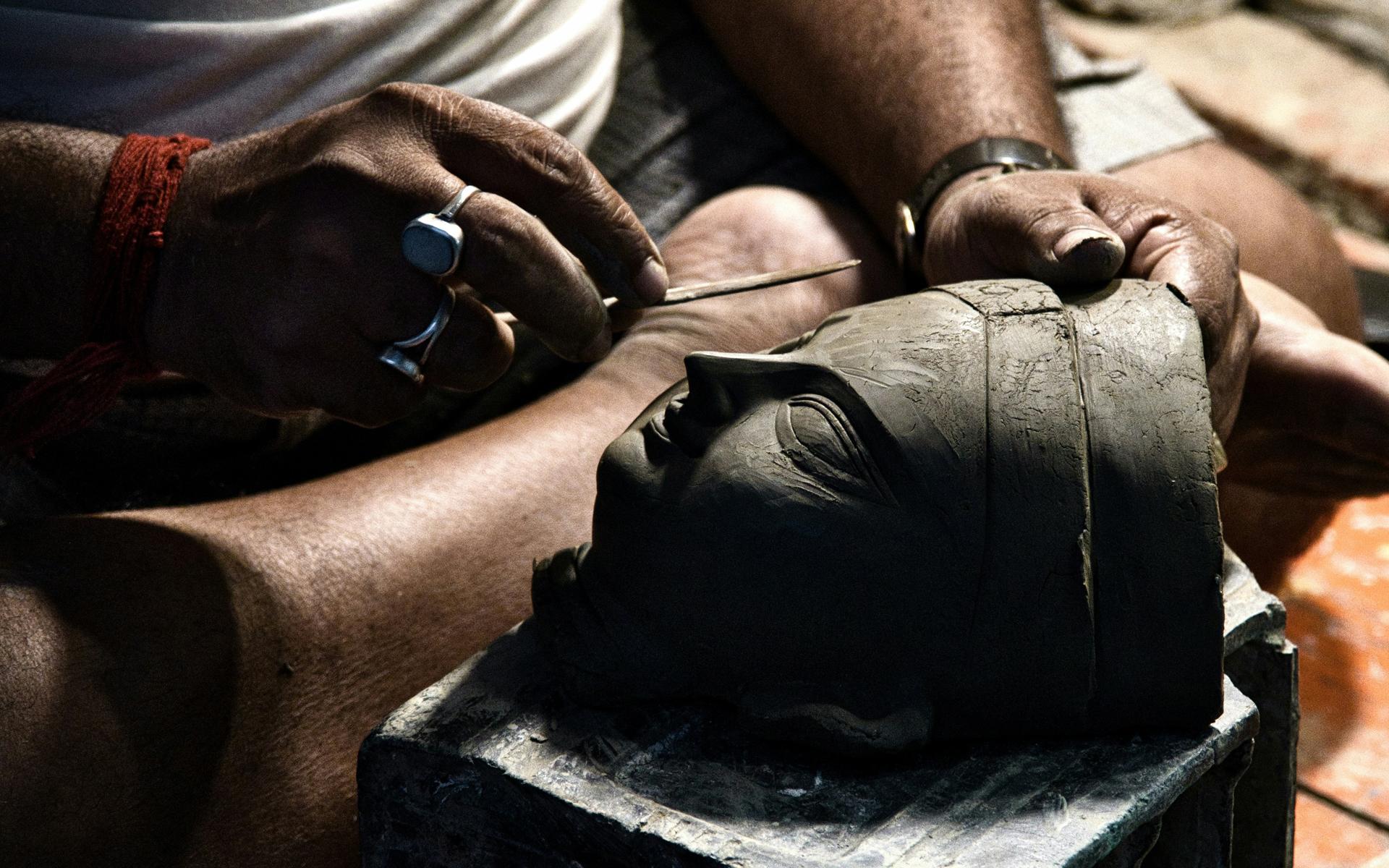
Fasten your seatbelts for an unforgettable journey—because the story of this extraordinary festival begins long before the celebrations themselves. Along the banks of the Ganges, the first quiet rituals begin as artisans gather sacred clay that will form the heart of the festivities. Over the following four to six months, the workshops of Kumartuli and the historic pottery lanes of North Kolkata become vibrant centres of creativity. Here, generations of master craftsmen work with bamboo frameworks layered with rice husk and jute fibers, patiently shaping intricate idols with remarkable artistry and devotion. Watching these skilled hands breathe life into the divine forms, one cannot help but feel that a touch of magic guides their craft. Every corner of Kolkata will gradually transform, illuminated by shimmering lights and adorned with striking semi-permanent art installations.
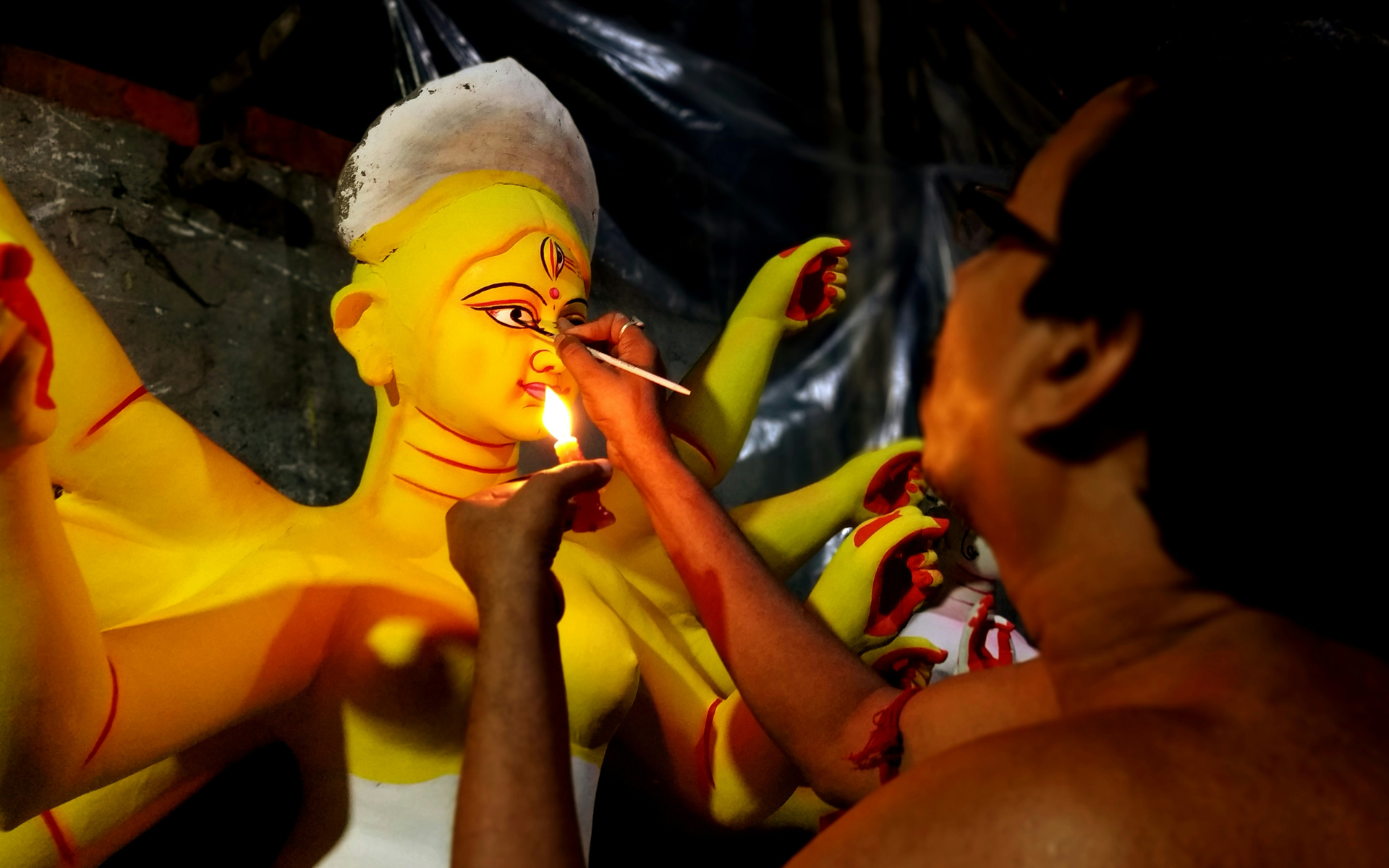
The artisans who participate in Kolkata’s creative festivals bring together the timeless traditions of clay craftsmanship with contemporary artistic ideas, constantly experimenting and refining their vision. A delicate white pith—known as shola—or green ivory is used for embellishments.
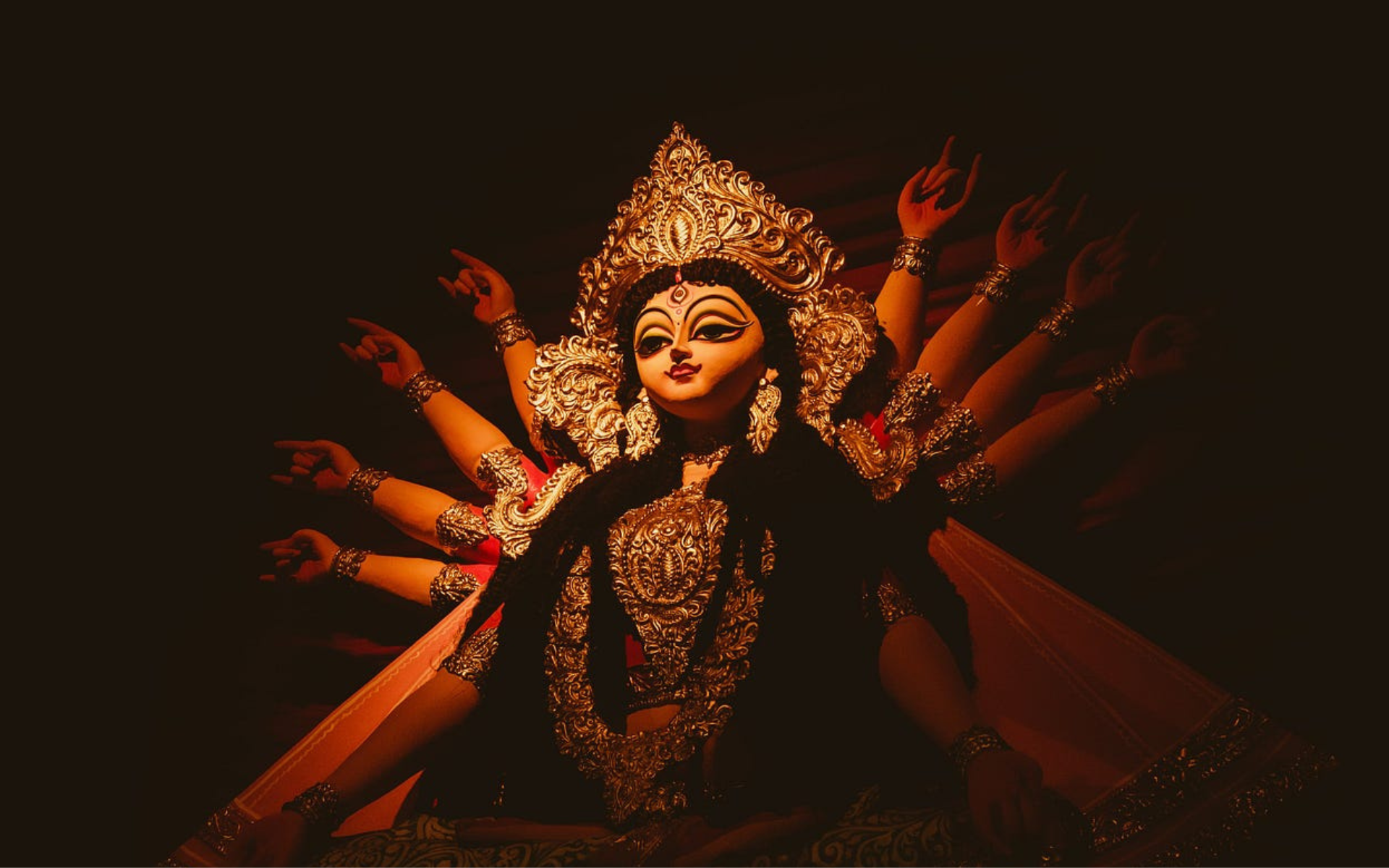
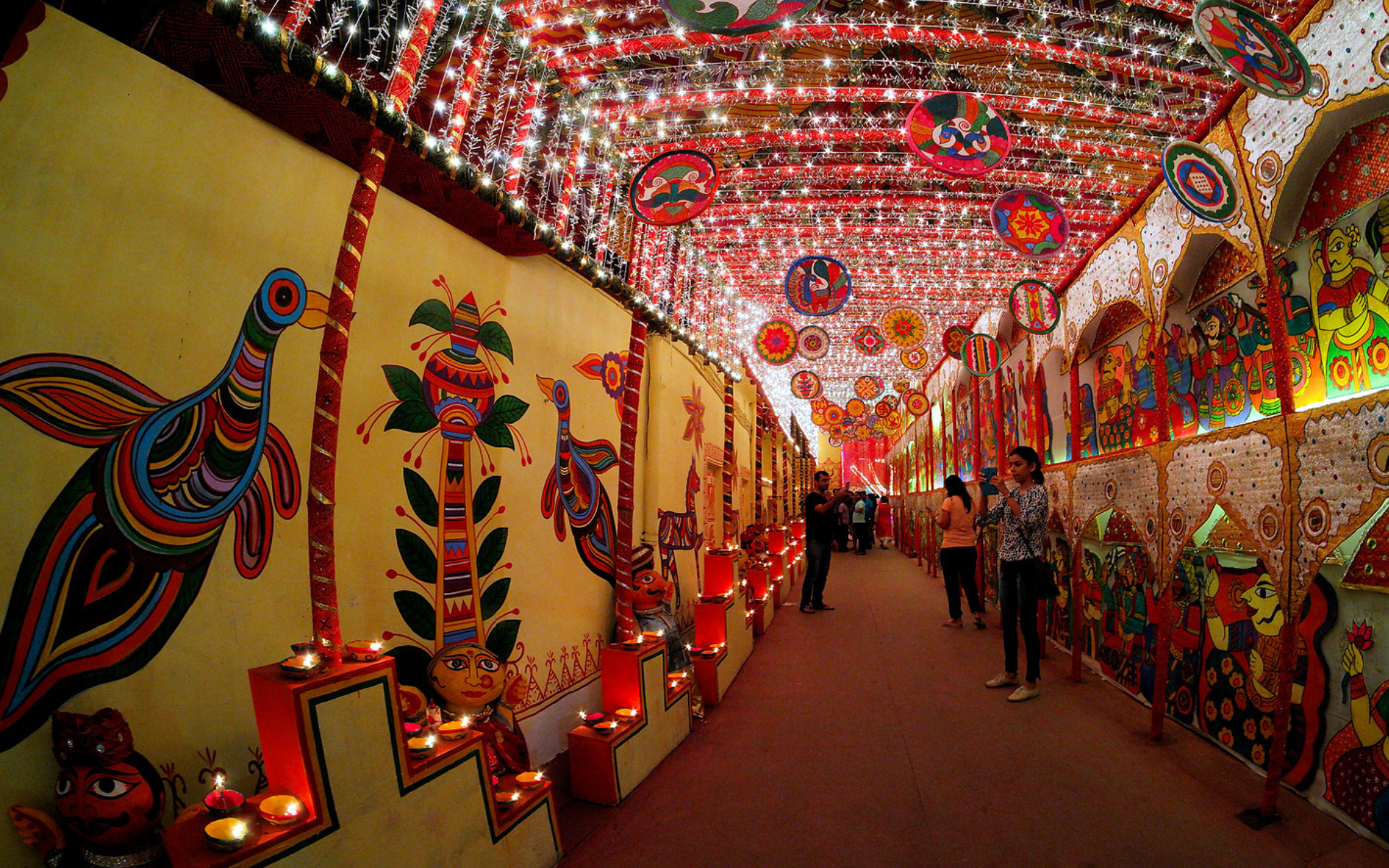
For those drawn to the stories surrounding Durga Puja—and perhaps planning to experience it firsthand—there is one essential thing to know: in Kolkata, the scale of celebration knows no bounds. Each year, creators and organizers devote immense imagination and effort to ensure their installations stand apart. Temporary temples, known as pandals, are transformed into extraordinary artistic environments—sometimes inspired by global landmarks such as the Eiffel Tower or Disneyland, and at other times crafted from unexpected materials such as mirrors, pots, umbrellas or other inventive elements. Idols may be adorned with opulent embellishments, while entire neighbourhoods become galleries of immersive art. What begins in the modest corners of a workshop ultimately evolves into spectacular installations, welcoming thousands of visitors who gather to admire, celebrate, and share in the wonder of this remarkable festival.
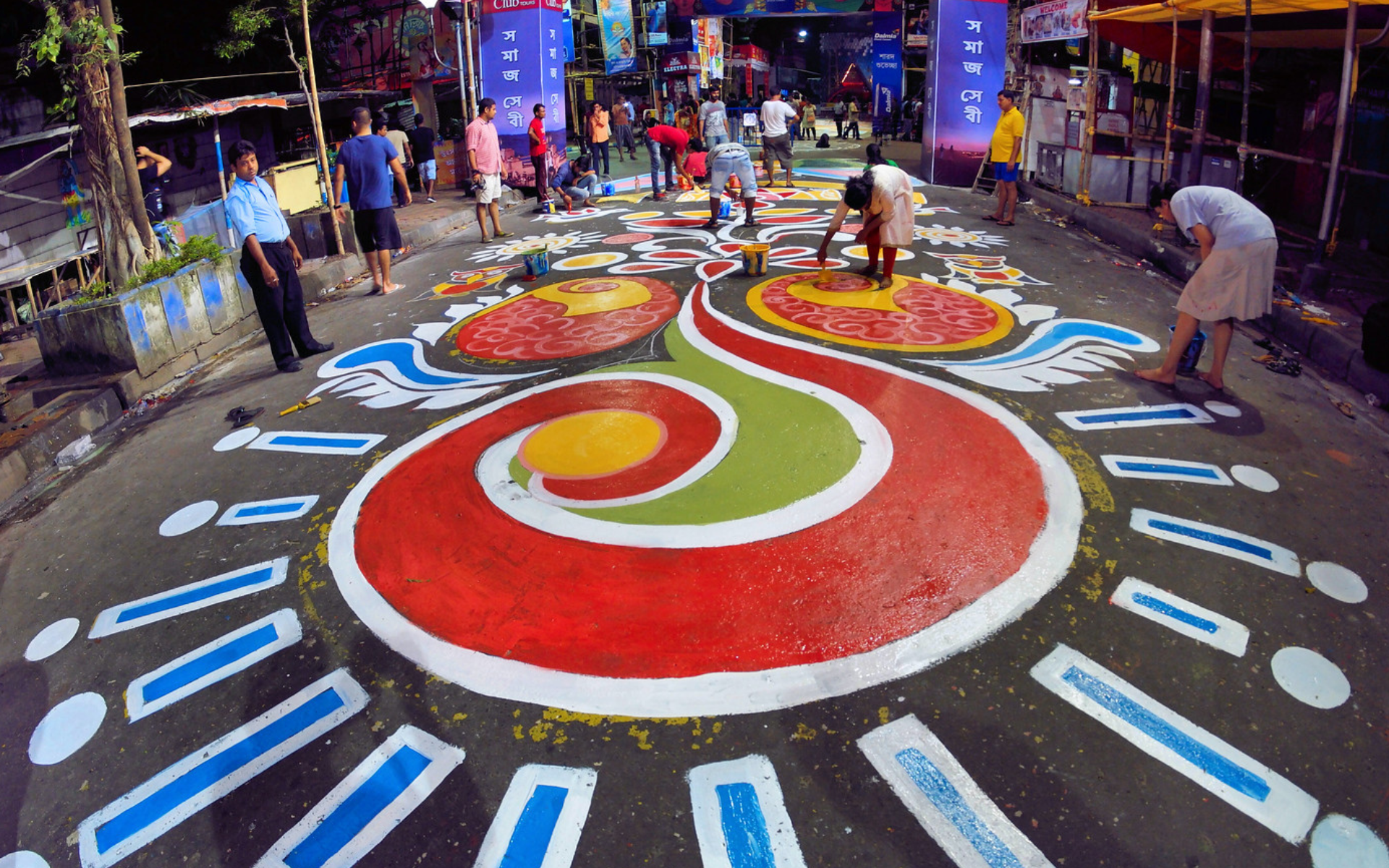
No celebration of this scale would be complete without streets alive with art, installations, and eager visitors. During the festival, Kolkata’s roads transform into vibrant cultural corridors where art enthusiasts gather to admire the creativity that surrounds them. Overhead, intricate lighting displays stretch across entire neighbourhoods, while beneath your feet are delicate motifs known as alpona—traditional floor designs painted with graceful precision. The streets become open, festive spaces where music fills the air, visitors savor an array of local delicacies, and long lines form to admire the remarkable installations. Even in the city’s most unassuming corners, narrow lanes reveal towering pandals or marquees and imaginative displays that continue to surprise and delight at every turn.
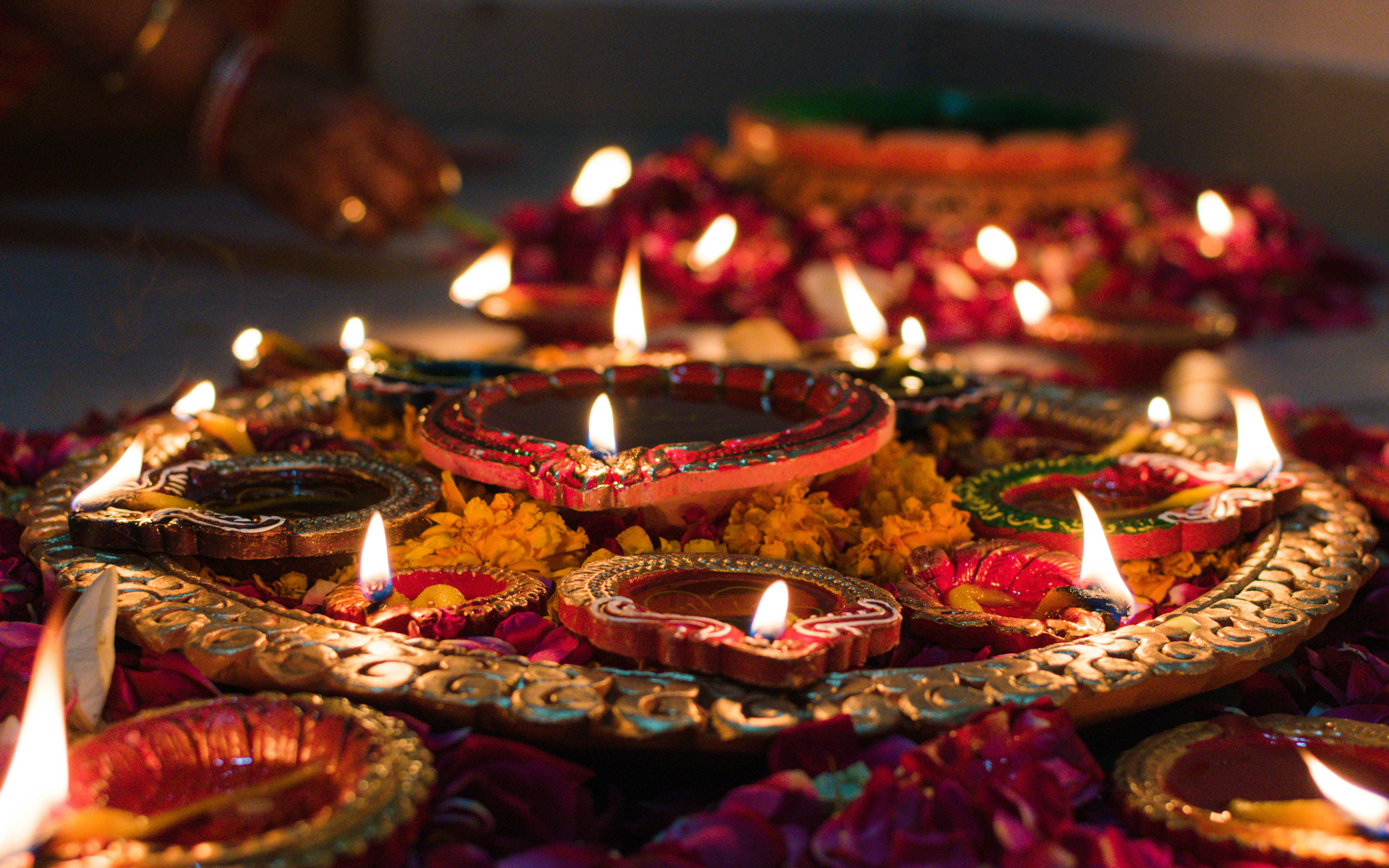
At its heart, the festival is a vibrant celebration of life and creativity, where artistic inspiration blends seamlessly with the rich cultural heritage that flows through the veins of Kolkata. Age-old traditions of idol making coexist with contemporary artistic expression, reflecting both devotion and evolving aesthetics. The festivities unfold over several significant days. Mahalaya marks the beginning of Devi Paksha, symbolizing the arrival of the goddess; on this day artisans perform the sacred ritual of painting the eyes of the idols, believed to breathe life into them. Shashthi, the first official day of the festival, reveals the completed idols to the public as the faces of the deities are ceremonially unveiled. With Saptami, celebrations intensify, particularly in the historic mansions of North Kolkata where traditional family festivities begin in grand style. Ashtami, widely regarded as the most important day, draws large gatherings for the sacred Anjali ritual and the sharing of Bhog, the traditional offering of food. The festival culminates on Navami, beginning with the solemn Sandhi Puja, marking the closing moments of devotion and the approaching end of the festival.
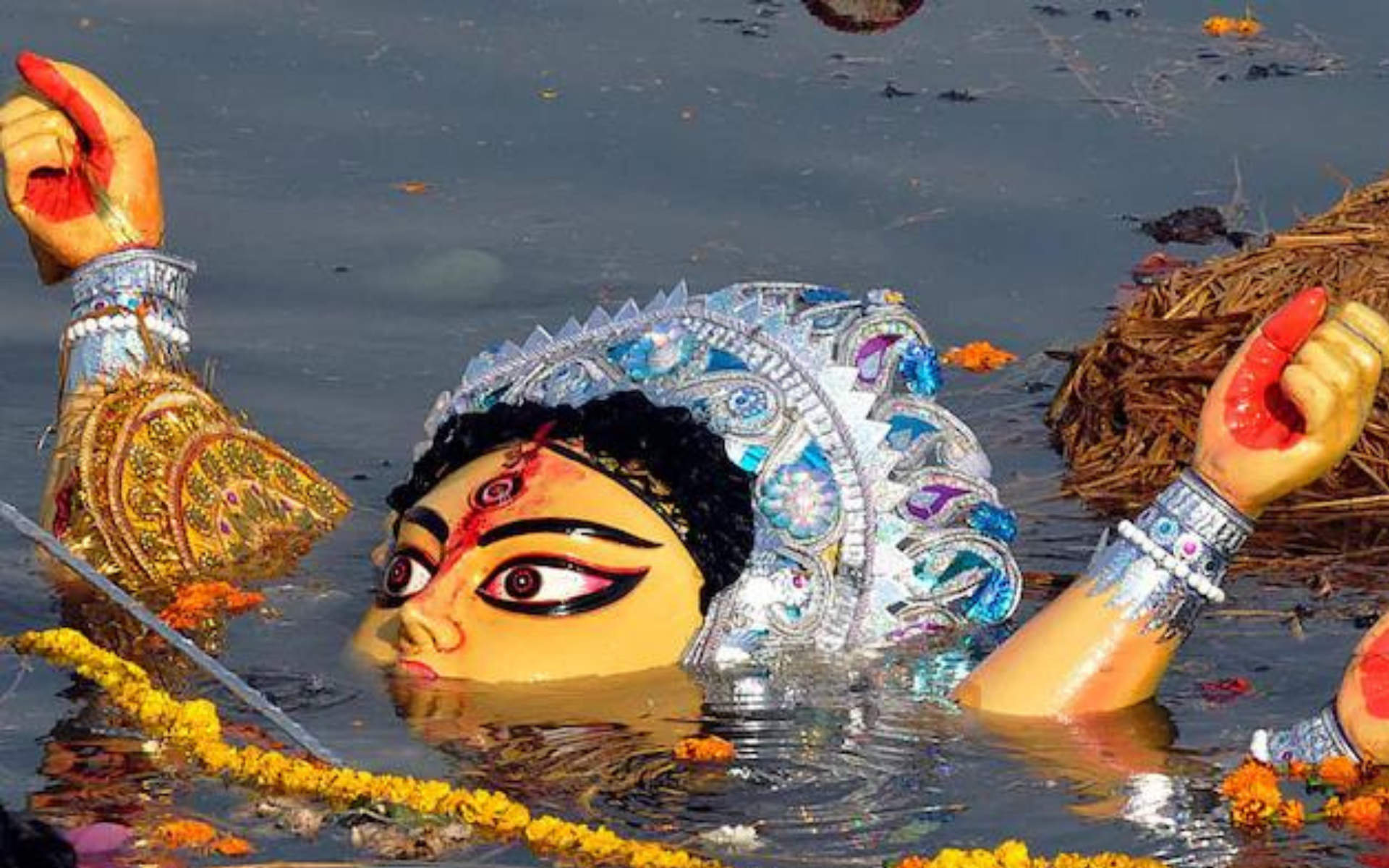
As the festival draws to a close on Dashami, the tenth day, a quiet sense of poignancy settles over the city. The goddess is ceremonially bid farewell. In a moving ritual, the beautifully crafted idols are carried in procession and immersed in the waters of the Ganges. Magnificent temporary installations—often created with extraordinary artistry and at considerable expense—are gradually dismantled, their splendour giving way to the calm that follows the celebration. The city, which has lived and breathed the festival for months, slowly returns to its everyday rhythm. Streets are cleared, the clay of the idols returns to the riverbanks from which it was gathered, and artisans retreat to their workshops, already imagining new designs. With that quiet departure begins the familiar anticipation—a year-long countdown until the city once again awakens to the magic of Durga Puja.